
How to Pick High Demand Diabetic Medicines
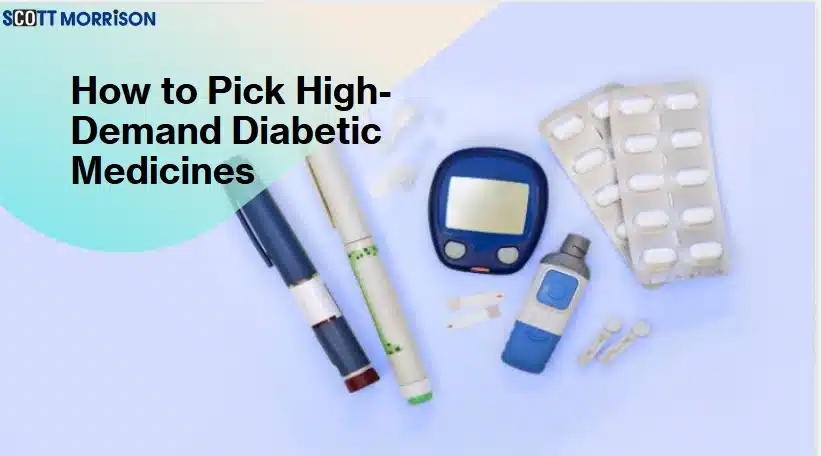
Diabetes is a fast-growing health issue that is affecting millions of lives in the world. Millions of people depend on medicines to manage their blood sugar levels. Every day, the demand for safe and quality diabetic medicines is increasing. So it is important to choose the right medicines if you are a healthcare provider, distributor, or pharma franchise. From a business perspective, it is better for patient outcomes and business growth.
It is difficult to understand which medicines are safe to use. For that, you have to check the needs and preferences of the patient. Picking the right medicines is not just because you want to increase your sales; it is important to improve the lives of patients. Let’s explore the main points you have to keep in mind when selecting the high-demand diabetic medicines.
Understanding the Diabetic Medicine Market
Before choosing particular products, it is important to get to know the broader scenarios of diabetes treatment. Diabetic medicines usually fall into a few major categories: insulin products and oral hypoglycemic agents along with newer injectable therapies like GLP-1 receptor agonists. Each category provides different patient populations and has variety of demand drivers.
- Insulin: Important for all Type 1 diabetics and other advanced Type 2 diabetics; demand is constant and growing.
- Metformin and other first-line oral agents: Excessively high volume because of being at the standard first line treatment for Type 2 diabetes.
- Newer agents (SGLT2 inhibitors, GLP-1 receptor agonists): Rapidly growing demand due to additional cardiovascular and weight-loss benefits.
- Combination therapies: Increasingly popular for patient convenience and improved adherence.
Recognizing where a product sits within this landscape is the first step in judging its long-term demand potential.
Also read: Top Selling Diabetic Medications: A Guide for Pharmacies
Key Factors That Drive High Demand
Prevalence of Diabetes in the Target Market
The single biggest driver of demand is simply how many people in a given area are diagnosed with diabetes. Urban areas, regions with high rates of obesity, and aging populations typically show higher diabetes prevalence and, therefore, greater demand for related medicines.
Treatment Guidelines and Standard of Care
Medicines recommended as first-line or standard-of-care treatments by major medical associations tend to have the most consistent and highest overall demand, since prescribers default to these options for the majority of new patients.
Affordability and Insurance Coverage
A medicine’s price point and whether it is covered by insurance or government health schemes strongly influences whether patients can consistently access and continue using it. Widely covered, affordable generics often have much higher sustained demand than expensive branded alternatives, even when the branded drug is clinically superior.
Ease of Use and Patient Adherence
Medicines that are easier to use — such as once-daily oral tablets or once-weekly injectables — tend to see higher demand than those requiring multiple daily doses or complex administration, because patients are more likely to stick with simpler regimens.
Clinical Trends and New Guidelines
Medical guidelines evolve over time. In recent years, for example, growing evidence of cardiovascular and kidney benefits has driven a surge in demand for SGLT2 inhibitors and GLP-1 receptor agonists beyond their original use for blood sugar control alone.
Seasonal and Regional Variation
Demand can also vary by region due to differences in disease prevalence, local prescribing habits, and healthcare infrastructure. Distributors should account for these variations when planning inventory across different markets.
Practical Steps to Identify High-Demand Products
- Analyze local prescription data and sales trends from wholesalers or pharmacy management systems to identify top-moving diabetic medicines in your specific market.
- Track updates to major clinical guidelines (such as those from diabetes associations) to anticipate shifts in prescribing patterns before they fully materialize in sales data.
- Monitor insurance formularies and government health scheme listings, since inclusion or exclusion can dramatically shift patient access and demand.
- Engage with local prescribers and endocrinologists to understand emerging preferences and any concerns about supply or side effects with current products.
- Watch for patent expirations, since the entry of generic versions of popular branded drugs often triggers a significant demand shift and volume increase.
- Evaluate manufacturer reliability and supply chain stability, since even a high-demand product is a poor business choice if supply is inconsistent.
Also Check: The Future of Retail Pharmacies: Stocking Innovative Diabetic Medications
List of Factors to Consider When Picking the High-Demand Diabetic Medicines
1. Choose Safe Medicines
When it comes to the treatment of the diabetic disease, you have to look for safe medicines. You can choose medicines that have been used for many years, which are trusted by doctors and patients. These types of medicines have a strong safety record.
It helps to build confidence among the patients, and it also helps to increase the demand for the medicines. You should always look for medicines that are suitable for long periods of time.
2. Focus on Blood Sugar Control
The high demand for diabetic medicines can make regular customers for your business. Doctors also prescribe medicines that are clinically proven to reduce blood sugar levels.
The popular medicines such as Metformin, Sulfonylureas, DPP-4 Inhibitors, SGLT2 inhibitors, and Insulin analogs are always in demand. You can store these medicines to make sure that you can engage the patient base.
3. Offer Various Medicines
Not every patient wants to purchase the same medicine. Some of them want tablets or capsules, and others need injections or insulin pens. So you have to store a variety of medicines to make the treatment easy.
For example,
- Tablets and capsules are easy for daily use
- Injections and insulin pens require advanced diabetic care.
- Syrups and sachets are important for elderly patients who can not swallow tablets and capsules
4. Keep an Eye on Market Trends
The medicines for diabetic treatment are changing every day. The traditional medicines are being replaced by new medicines like SGLT2 inhibitors and GLP-1 receptor agonists. Some of the medicines are becoming more popular because they provide extra benefits such as weight control and heart protection.
If you keep track of these market trends, you can stay ahead of your competition. You have to store both traditional and modern medicines to cater to the demand of both patients.
5. Regulatory Compliance
Patients and doctors trust brands that have strict quality standards. The high demand for diabetic medicines is also increasing the need for quality medicines. You only have to store the medicines that have proper certifications like GMP, WHO, and ISO. These approvals make the medicines safer and purer.
You have to check these approvals before you pick a diabetic medicine for your store. Only choose those that are manufactured with the proper guidelines and legal approvals.
6. Reliable Supply and Packaging
The demand for the best medicines can be lost if they are not available on time. You should always pick medicine from a company that provides fast delivery with proper packaging. Here are the benefits of good packaging and on-time delivery:
- Good packaging protects the medicines from moisture and heat.
- It helps to keep the stock in the store.
- On-time delivery means you can cater to the demand of large customers.
7. Affordable Options
The diabetic medicines are a lifelong medication. The customer always prefers to take only affordable medicines. The generic versions of the popular drugs, such as Metformin and Glimepiride, are high in demand, and they are affordable to purchase.
To engage every type of customer, you can offer both affordable and premium medicines. With this strategy, you can cater to the demands of both patients.
8. Provide Information to Doctors and Patients
The high-demand medicines are not just medicines. You have to provide proper information to the patients and doctors to make them aware of the medicine. The patient’s education material is easy to understand and guides the dosage.
It can help to build confidence in your brand, and it also increases the demand for your diabetic medicine.
Conclusion
Choosing high-demand medicines helps to cater to the demand of the different types of patients. It also helps to provide you with a balance of safety and affordability. You can focus on picking only trusted medicines that provide proven results. Additionally, by keeping an eye on the market trends, you can make valuable decisions for your business.
By following the above-mentioned tips, you can build a strong diabetic medicine portfolio. It will help to meet the needs of doctors, patients, and healthcare providers.
Frequently Asked Questions (FAQs) About How to Pick High-Demand Diabetic Medicines
What are the most demanded medicines for diabetes?
The most demanded medicine is Metformin. It is most widely used to manage blood sugar levels.
What new medicines, such as SGLT2 inhibitors, are gaining popularity?
The new medicines not only help to manage the blood sugar level. It also helps to protect from severe diseases like heart and kidney disease.
Why does the patient prefer tablets and injections?
Most of the patients prefer tablets because they are easy to use. But some of the patients prefer insulin injections because they are required for advanced care.
What is the importance of the word “affordable” in diabetic medicines?
Affordability is very important in diabetic treatment. The diabetic medicines are lifelong medicines, and people only prefer cost options.
Why is packaging important for diabetic medicines?
The good packaging helps to keep the medicines safe from heat, moisture, and damage.
How important is insurance coverage when choosing which diabetic medicines to stock?
It is very important. A medicine can be clinically excellent but see limited real-world demand if it is not covered by insurance or government health schemes, since many patients cannot afford to pay out of pocket.
Should a pharmacy or distributor focus only on the newest diabetic medicines?
No. A balanced approach that includes reliable, high-volume staples like metformin and insulin alongside newer, higher-margin therapies tends to be more sustainable than focusing exclusively on trending new products.
How can I track which diabetic medicines are trending in demand?
Useful methods include analyzing local prescription and sales data, monitoring updates to clinical treatment guidelines, tracking insurance formulary changes, and maintaining regular communication with local prescribers and endocrinologists.
Does patent expiration affect demand for diabetic medicines?
Yes. When a popular branded diabetic medicine loses patent protection, the entry of lower-cost generic versions often causes a significant increase in overall demand and volume as the drug becomes more affordable and accessible.
Why is patient adherence relevant to selecting high-demand medicines?
Medicines that are easier to take, such as once-daily or once-weekly options, tend to have better patient adherence, which supports sustained, repeat demand compared to medicines with more complex or frequent dosing schedules.