
Antiepileptic & Neuropathic Care







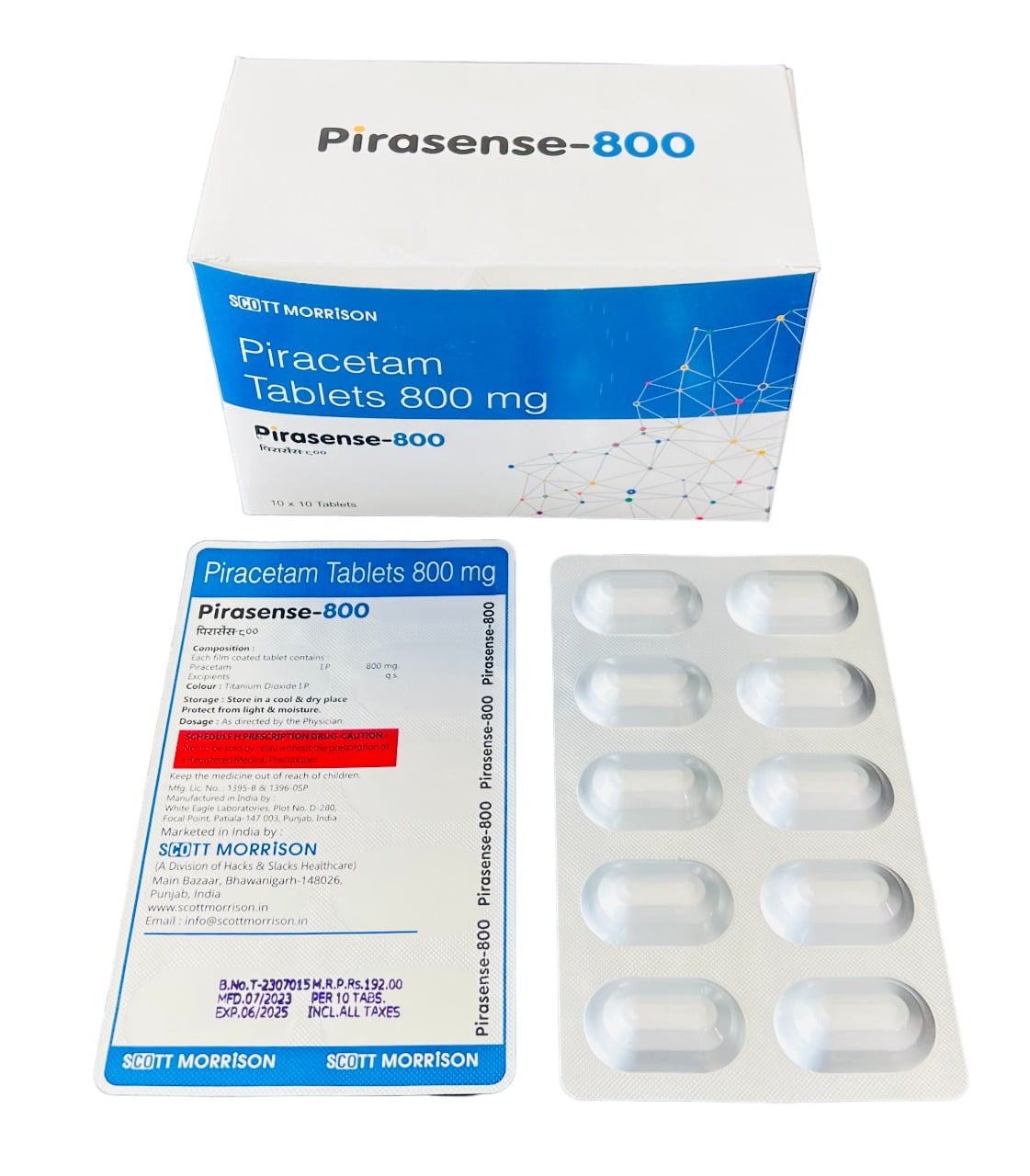


Antiepileptic & Neuropathic Product List for Franchise
Neurological disorders such as epilepsy and neuropathic pain can significantly affect a person’s quality of life. These conditions often involve abnormal nerve activity or damage to the nervous system, or numbness. Proper treatment and medication are essential to manage these conditions effectively and help patients maintain a normal daily routine.
The Antiepileptic & neuropathic Care Range available at Scott Morrison offers a selection of medicines designed to support the management of nerve-related conditions. These medicines are commonly prescribed to help control seizures, stabilize nerve signals, and reduce neuropathic pain caused by nerve damage or neurological disorders.
With advancements in pharmaceutical research, many antiepileptic medications are now also widely used to treat various types of nerve pain. By regulating nerve activity in the brain and spinal cord, these medicines help relieve symptoms and improve overall patient comfort. The range available at Scott Morrison includes trusted medication used in neurological care to support patients dealing with epilepsy and nerve pain conditions.
What Are Antiepileptic Medicines?
Antiepileptic medicines are drugs used to treat epilepsy and other seizure related disorders. Epilepsy is a neurological condition characterized by repeated seizures caused by abnormal electrical activity in the brain. Antiepileptic medications work by stabilizing nerve activity and preventing excessive electrical signals that trigger seizures.
These medicines help control seizures and reduce their frequency, allowing patients to lead safer and more stable lives. In addition to epilepsy treatment, many antiepileptic medicines are also prescribed to manage nerve pain and other neurological disorders.
Commonly used antiepileptic medicines include drugs such as gabapentin, pregabalin, carbamazepine, lamotrigine, and valproate. Each medication works in a slightly different way to control nerve activity and improve neurological stability. Doctors carefully select these medicines depending on the patient’s condition, symptoms, and medical history.
Understanding Neuropathic Pain
Neuropathic pain is a type of pain caused by damage or dysfunction in the nervous system. Unlike normal pain that results from injury or inflammation, neuropathic pain occurs when nerves themselves become damaged or send abnormal signals to the brain.
People experiencing neuropathic pain often describe sensations such as burning, stabbing, tingling, or electric shock-like pain. In some cases, even light touch may cause significant discomfort.
Neuropathic pain can be caused by several underlying conditions, including diabetes, spinal cord injuries, infections, autoimmune disorders, or nerve compression. Diabetic neuropathy, for example, occurs when high blood sugar levels damage nerves over time.
Because neuropathic pain originates from nerve damage, traditional painkillers are often less effective. Instead, medications that target nerve signals—such as antiepileptic drugs—are commonly used to provide relief.
Role of Antiepileptic Medicines in Neuropathic Care
Antiepileptic medicines play an important role in managing neuropathic pain. These medications help regulate abnormal nerve signals that cause pain and discomfort.
Many antiepileptic drugs work by reducing nerve hyperactivity and stabilizing electrical activity in the nervous system. By calming overactive nerve signals, they help decrease pain sensations and prevent the transmission of abnormal nerve impulses.
Medications such as gabapentin and pregabalin are widely used for treating nerve pain associated with diabetic neuropathy, postherpetic neuralgia, and fibromyalgia. These drugs help block pain signals and provide relief for patients experiencing chronic nerve-related discomfort.
Because of their effectiveness in stabilizing nerve function, antiepileptic medicines have become an important part of neuropathic pain management.
Key Products in the Antiepileptic & Neuropathic Care Range
The Antiepileptic & Neuropathic Care Range includes several categories of medicines that support neurological health and pain management.
Gabapentin-Based Medicines
Gabapentin is commonly prescribed for both seizure control and nerve pain management. It helps calm nerve activity and reduce abnormal pain signals.
Pregabalin-Based Medicines
Pregabalin is another widely used medication for neuropathic pain. It is often prescribed for diabetic neuropathy, fibromyalgia, and nerve injury pain.
Carbamazepine Medicines
Carbamazepine is frequently used to treat trigeminal neuralgia and certain types of epilepsy. It helps stabilize nerve activity and prevent seizure episodes.
Combination Neuropathic Medicines
Some medications combine multiple active ingredients to provide stronger pain relief and improved nerve stabilization for patients with severe neuropathic conditions.
These medicines are prescribed by healthcare professionals based on the patient’s specific neurological condition and treatment needs.
Conditions Treated by Antiepileptic & Neuropathic Medicines
The medicines in this category are used to treat a variety of neurological conditions affecting the nervous system.
Epilepsy
Epilepsy is one of the most common neurological disorders. Antiepileptic medicines help control seizures and prevent sudden electrical disturbances in the brain.
Diabetic Neuropathy
This condition occurs when prolonged high blood sugar damages nerves, particularly in the hands and feet. Neuropathic medicines help reduce pain and improve nerve stability.
Postherpetic Neuralgia
Postherpetic neuralgia is a complication of shingles that causes long-lasting nerve pain even after the infection has healed.
Trigeminal Neuralgia
Trigeminal neuralgia is a chronic pain condition affecting the facial nerves. Certain antiepileptic drugs are commonly used to relieve this severe nerve pain.
Fibromyalgia
Fibromyalgia is a condition characterized by widespread pain and nerve sensitivity. Some neuropathic medicines help reduce pain signals associated with this disorder.
Benefits of Using Antiepileptic & Neuropathic Medicines
Medicines designed for neurological care offer several benefits for patients suffering from nerve-related conditions.
Effective Pain Relief
Neuropathic medicines help reduce nerve pain that may not respond well to standard painkillers.
Seizure Control
For patients with epilepsy, these medications help control seizures and reduce the risk of seizure-related complications.
Improved Quality of Life
Managing nerve pain and seizures allows patients to maintain daily activities and improve overall well-being.
Stabilized Nerve Function
These medicines regulate abnormal nerve signals, helping the nervous system function more normally.
Long-Term Neurological Support
When used under medical supervision, these medicines support long-term treatment and management of neurological disorders.
Why Choose Scott Morrison’s Antiepileptic & Neuropathic Care Range?
Scott Morrison offers a carefully selected range of medicines designed to support neurological health and neuropathic pain management.
The platform provides access to a variety of antiepileptic and neuropathic care products sourced from trusted pharmaceutical manufacturers. This ensures that patients receive quality medicines suitable for their treatment needs.
The website also offers an easy browsing experience, allowing users to explore available products within the antiepileptic and neuropathic care category. Clear product information and convenient ordering options make it easier for customers to find the medicines they need.
By focusing on reliable pharmaceutical products and patient accessibility, Scott Morrison aims to support individuals seeking effective solutions for neurological conditions.
Important Safety Considerations
While antiepileptic and neuropathic medicines are effective in treating neurological conditions, they should always be used under medical supervision.
Patients should take medications exactly as prescribed by their doctor and avoid changing dosages without professional guidance. Regular medical check-ups may be required to monitor the effectiveness of the treatment and manage potential side effects.
Some medicines may cause side effects such as dizziness, fatigue, or drowsiness. Patients should inform their doctor if they experience unusual symptoms while taking these medications.
It is also important to disclose any existing medical conditions or medications to avoid potential drug interactions.
Frequently Asked Questions
What are antiepileptic medicines used for?
Antiepileptic medicines are primarily used to treat epilepsy and prevent seizures. Many of these medicines are also prescribed to manage neuropathic pain.
Can antiepileptic drugs treat nerve pain?
Yes. Several antiepileptic drugs such as gabapentin and pregabalin are widely used to treat nerve pain caused by nerve damage or neurological disorders.
Which medicines are commonly used for neuropathic pain?
Common medicines include gabapentin, pregabalin, carbamazepine, and certain combination drugs used to regulate nerve activity.
Are neuropathic medicines safe for long-term use?
These medicines can be used for long-term treatment when prescribed and monitored by a healthcare professional.
How do antiepileptic medicines work?
Antiepileptic medicines work by stabilizing nerve signals in the brain and nervous system, helping prevent seizures and reduce abnormal pain signals.