
Musculoskeletal & Pain Care
Showing all 49 results


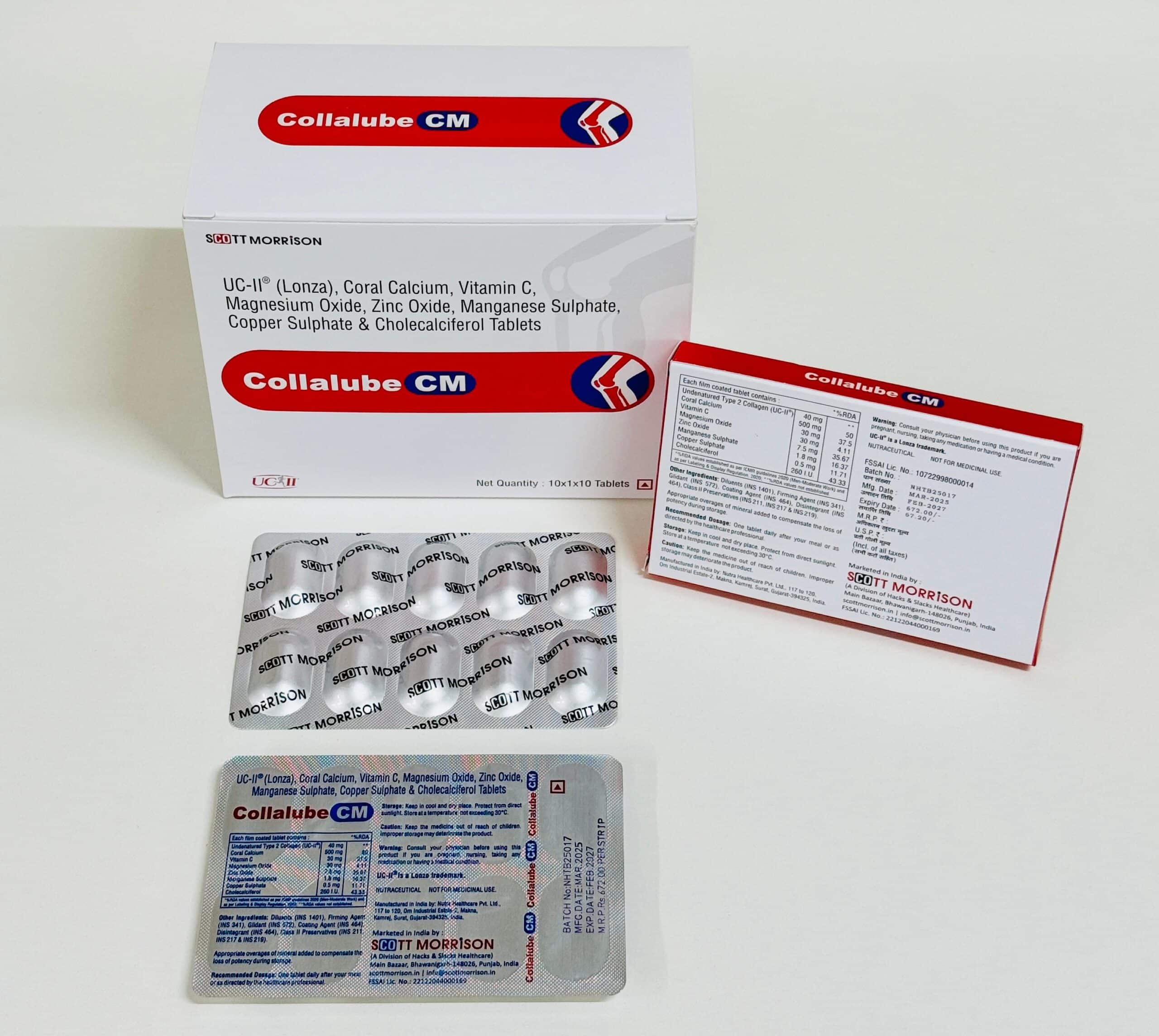
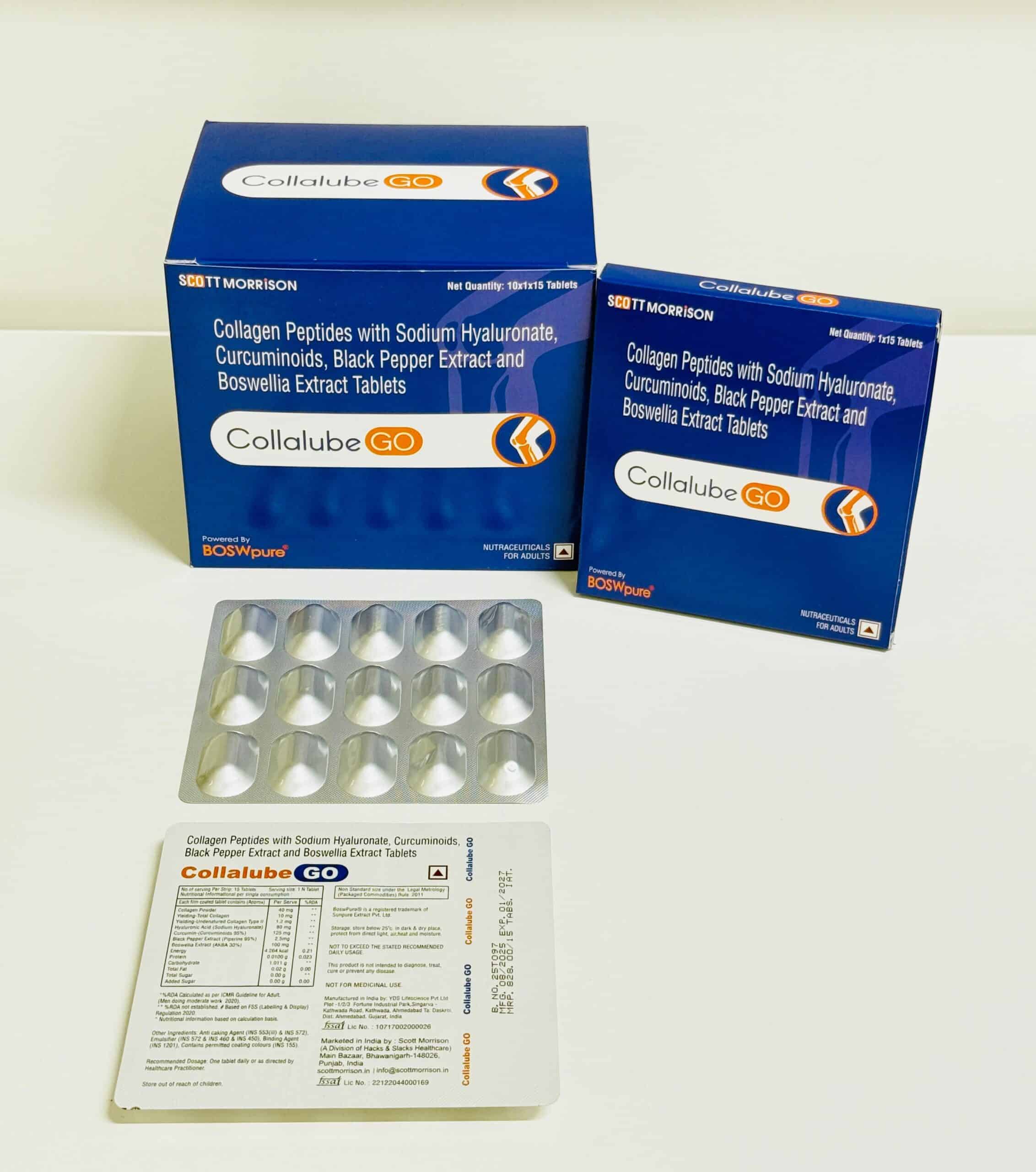


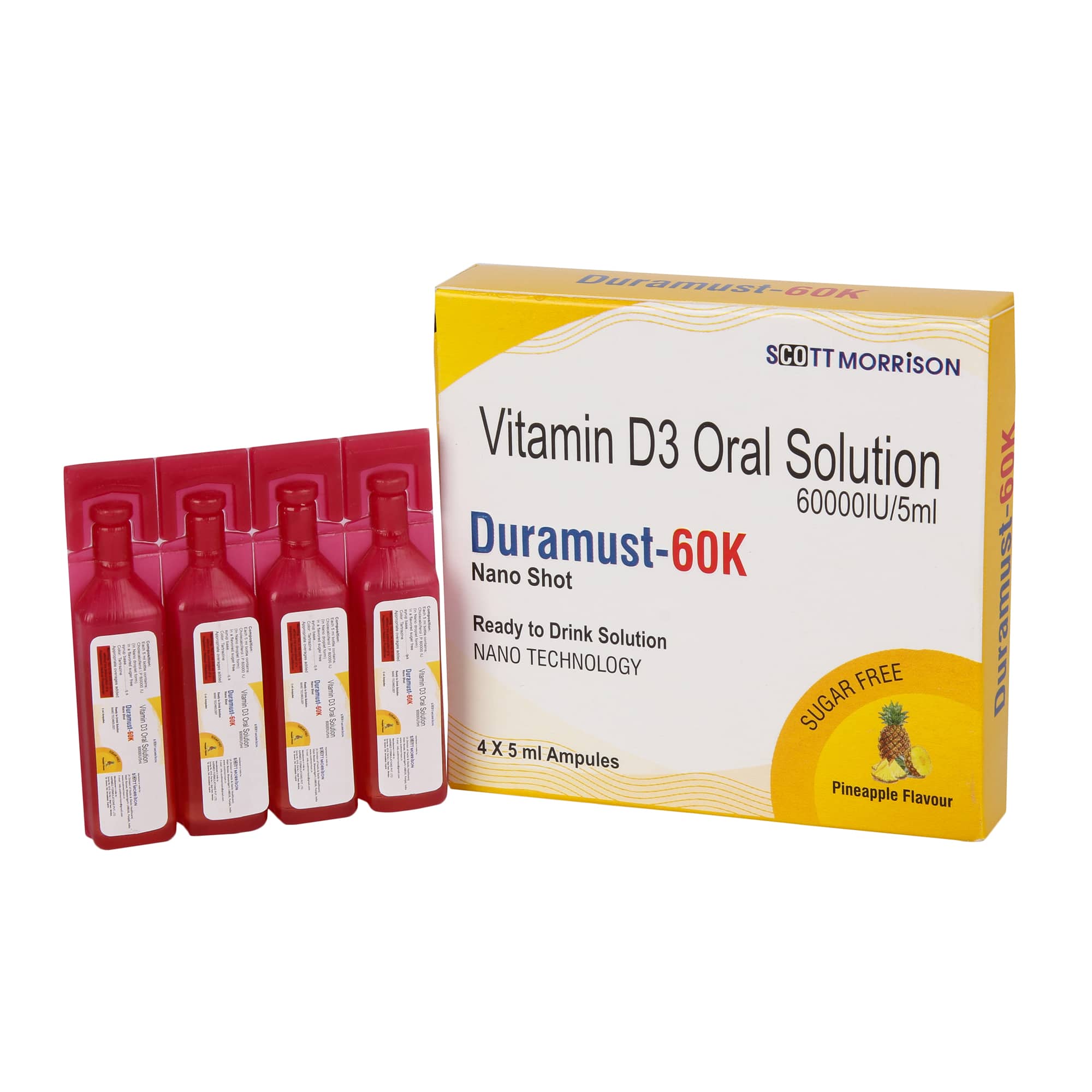


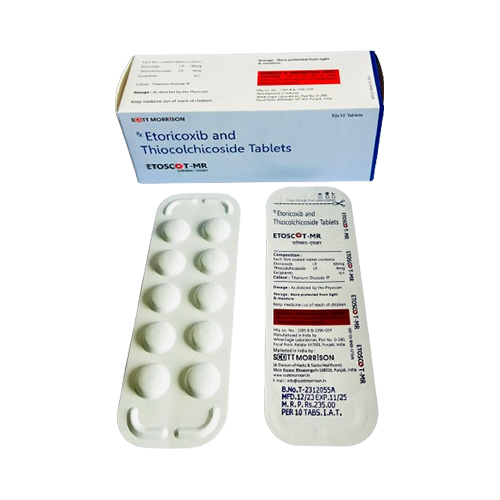


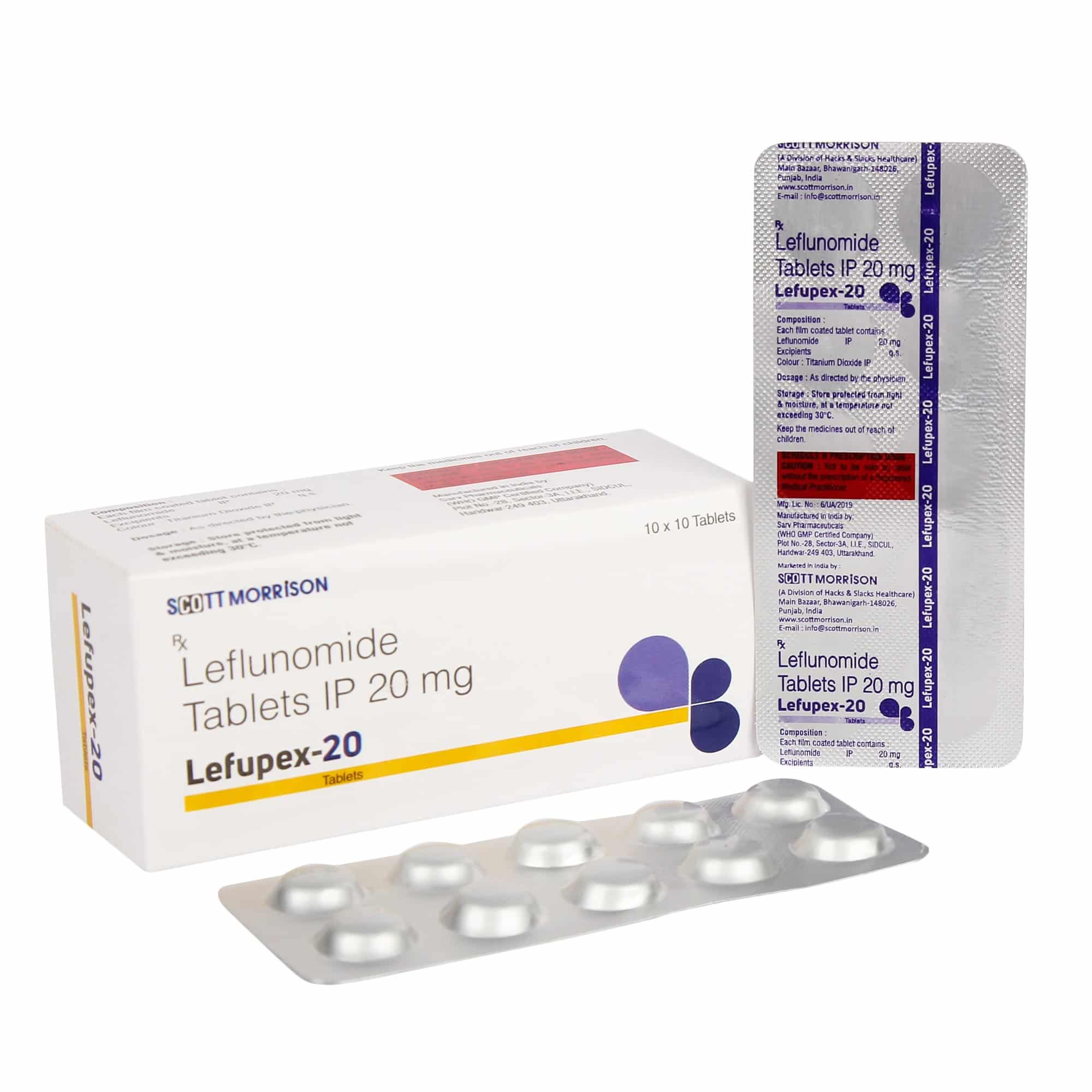

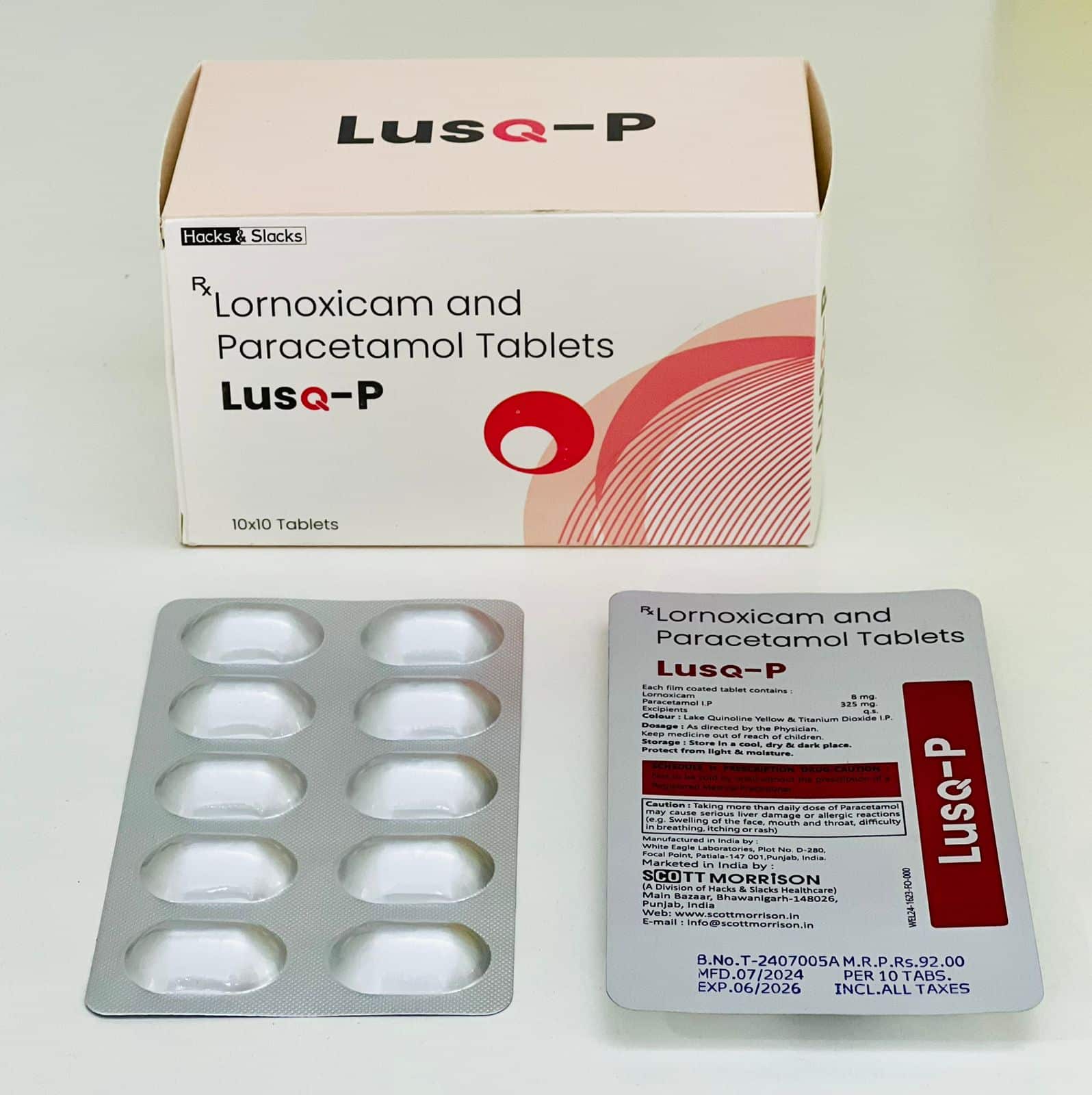


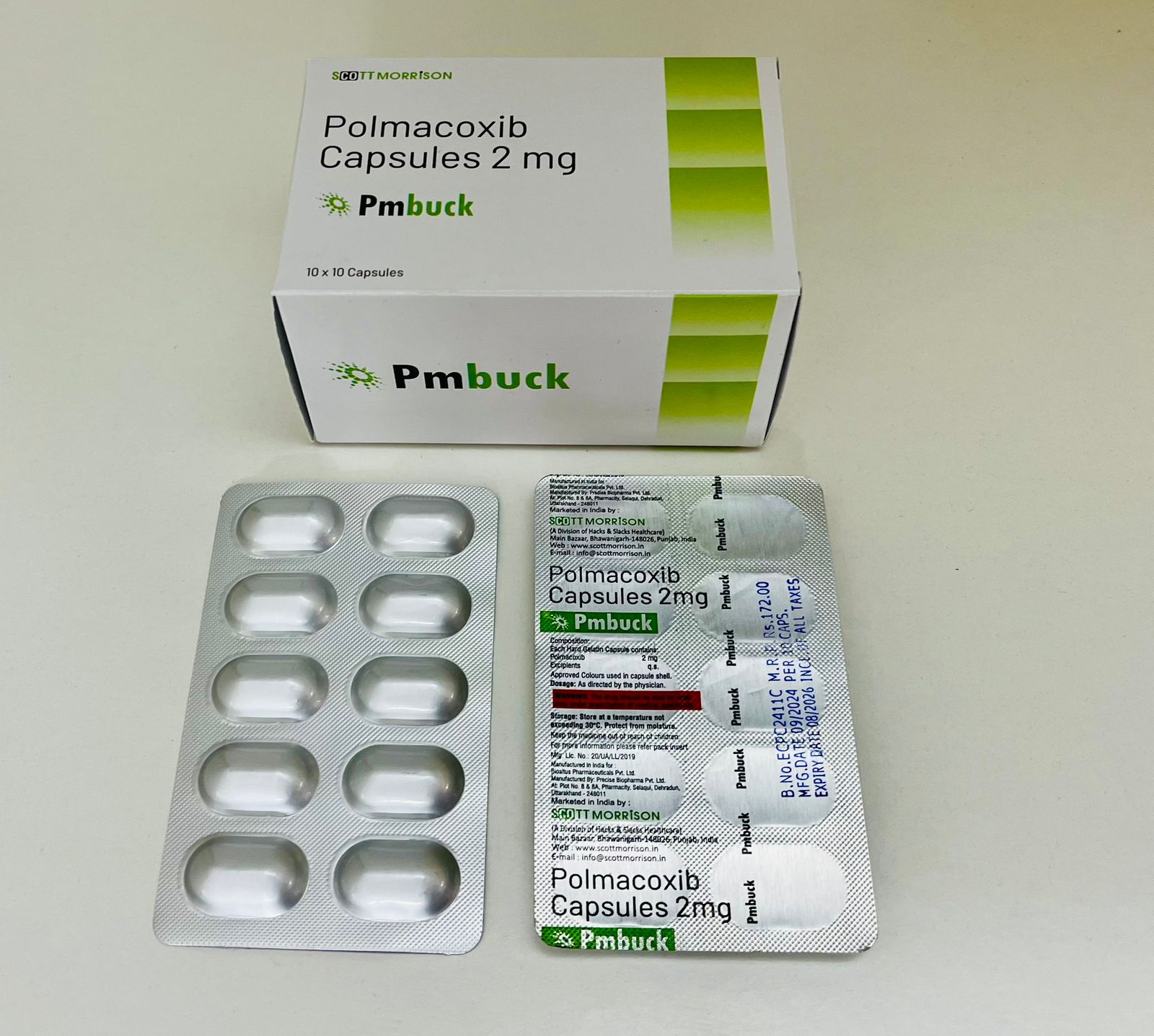
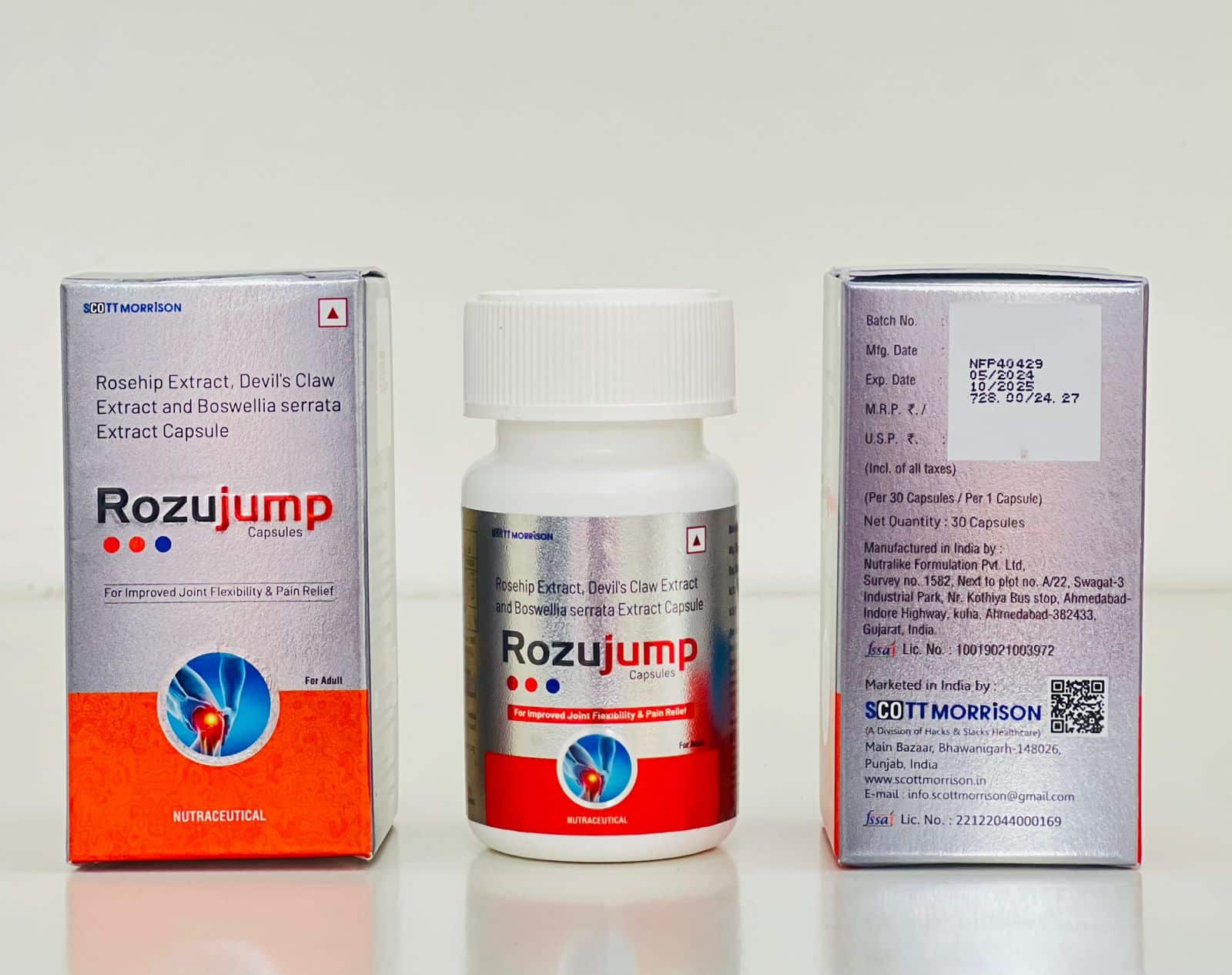



Musculoskeletal & Pain Care Product List For Franchise
Musculoskeletal pain is one of the most common health concerns affecting people of all ages, from minor muscle strains to chronic joint disorders. Whether caused by injury, overuse, aging, or underlying medical conditions, managing pain effectively is essential for maintaining mobility and quality of life. At Scott Morrison, we offer a comprehensive range of musculoskeletal and pain care products designed to provide fast relief, reduce inflammation, and support long-term recovery.
Our product category includes advanced formulations that target pain at its source, helping patients regain comfort and functionality in their daily lives.
Understanding Musculoskeletal Pain
Musculoskeletal pain originates from muscles, bones, joints, ligaments, or tendons. It may be acute (short-term) or chronic (long-lasting) and can result from injuries such as sprains, strains, or conditions like arthritis and back pain.
Common symptoms include:
- Localized or widespread pain
- Stiffness and reduced mobility
- Swelling or inflammation
- Muscle weakness or spasms
Proper treatment involves a combination of medications, topical therapies, and supportive care products.
Types of Musculoskeletal & Pain Care Products
At Scott Morrison, our product range is carefully curated to address different types and severities of pain. Below are the key categories:
1. Non-Steroidal Anti-Inflammatory Drugs (NSAIDs)
NSAIDs are among the most commonly used medications for managing musculoskeletal pain. They help reduce inflammation and relieve mild to moderate pain by inhibiting prostaglandin production.
Common Uses:
- Arthritis pain
- Muscle injuries
- Back pain
- Joint inflammation
NSAIDs are available in oral and topical forms. While oral NSAIDs are effective, topical versions are often preferred for localized pain due to lower systemic side effects.
2. Topical Analgesics (Gels, Creams & Sprays)
Topical pain relief products are applied directly to the affected area, offering targeted relief. These include gels, creams, sprays, and patches containing active ingredients like diclofenac, ibuprofen, or capsaicin.
Benefits:
- Fast-acting localized relief
- Reduced risk of systemic side effects
- Easy application
Topical NSAIDs are widely recommended as a first-line treatment for acute musculoskeletal pain, especially for sprains and strains.
3. Muscle Relaxants
Muscle relaxants are used to relieve muscle spasms and stiffness caused by injuries or conditions like lower back pain. These medications work by relaxing muscle tension and improving mobility.
Key Benefits:
- Reduces muscle spasms
- Improves flexibility
- Supports faster recovery
They are typically prescribed for short-term use and may be combined with other pain management therapies.
4. Analgesics (Pain Relievers)
Analgesics such as paracetamol (acetaminophen) are commonly used for mild to moderate pain relief. They work by altering pain perception in the brain and are often recommended when NSAIDs are not suitable.
Ideal For:
- General body pain
- Headaches associated with musculoskeletal issues
- Mild joint pain
These medications are known for their safety profile when used appropriately.
5. Combination Pain Relief Formulations
Combination products contain multiple active ingredients to provide enhanced pain relief. These may include NSAIDs combined with muscle relaxants or analgesics.
Advantages:
- Multi-action relief
- Faster symptom control
- Suitable for moderate to severe pain
These formulations are particularly effective for conditions involving both inflammation and muscle tension.
6. Topical Counter-Irritants & Herbal Formulations
These products include ingredients such as menthol, camphor, and herbal extracts that create a cooling or warming sensation on the skin. They help distract the brain from pain signals and improve blood circulation.
Common Ingredients:
- Menthol
- Capsaicin
- Herbal oils
Topical agents provide localized relief with minimal systemic absorption, making them suitable for regular use.
Key Conditions Treated
Our musculoskeletal and pain care products are suitable for a wide range of conditions, including:
- Arthritis (Osteoarthritis & Rheumatoid Arthritis)
- Back and neck pain
- Sports injuries (sprains, strains)
- Muscle stiffness and spasms
- Tendonitis and ligament injuries
- Post-operative pain
These products help reduce inflammation, improve mobility, and enhance overall quality of life.
Benefits of Using Pain Care Products
Choosing the right pain management products offers several advantages:
1. Effective Pain Relief
Targeted therapies help alleviate discomfort quickly and efficiently.
2. Reduced Inflammation
Anti-inflammatory ingredients help control swelling and prevent further damage.
3. Improved Mobility
Pain reduction allows better movement and faster recovery.
4. Localized Treatment Options
Topical products act directly at the site of pain with fewer systemic effects.
5. Versatile Treatment Choices
A wide variety of formulations ensures suitable options for every patient need.
How to Choose the Right Product?
Selecting the right musculoskeletal pain care product depends on several factors:
Type of Pain
- Acute injuries: Topical gels or NSAIDs
- Chronic pain: Combination therapies
Severity
- Mild pain: Analgesics or topical creams
- Moderate to severe pain: Combination or prescription medications
Medical History
Patients with certain conditions (e.g., gastrointestinal or heart issues) should consult a healthcare professional before using NSAIDs.
Mode of Application
- Topical: For localized pain
- Oral: For widespread or severe pain
Safety & Usage Guidelines
While pain care products are highly effective, proper usage is essential:
- Always follow dosage instructions
- Avoid combining multiple NSAIDs without medical advice
- Do not apply topical products on broken skin
- Consult a doctor for prolonged or severe pain
- Be aware of potential side effects
Topical NSAIDs are generally safer due to lower systemic absorption, but combining them with oral NSAIDs may increase risks.
Why Choose Scott Morrison for Pain Care Products?
At Scott Morrison, we are committed to delivering high-quality pharmaceutical solutions that meet global standards. Our musculoskeletal and pain care range is designed with:
- Advanced formulations for effective relief
- High safety and quality standards
- Trusted ingredients backed by clinical research
- Comprehensive product options for diverse needs
We aim to provide reliable healthcare solutions that improve patient outcomes and enhance everyday comfort.
Musculoskeletal pain can significantly impact daily life, but with the right treatment approach, it can be effectively managed. From NSAIDs and analgesics to topical gels and combination therapies, Scott Morrison offers a complete range of pain care products tailored to different needs.
By choosing the right product and following proper usage guidelines, individuals can achieve faster relief, improved mobility, and a better quality of life. Explore our musculoskeletal and pain care product list to find the most suitable solutions for your needs.
Frequently Asked Questions
Which product is best for muscle pain relief?
The best product depends on the severity and cause of pain. For mild pain, topical gels or paracetamol may be sufficient, while moderate to severe pain may require NSAIDs or combination medications. It is always recommended to consult a healthcare professional for proper guidance.
Are topical pain relief gels effective?
Yes, topical gels and creams are highly effective for localized pain. They work directly at the site of application, providing fast relief with fewer systemic side effects compared to oral medications.
Can I use pain relief products daily?
Some products, especially topical formulations, can be used daily as directed. However, long-term use of oral painkillers like NSAIDs should be done under medical supervision to avoid side effects.
What is the difference between NSAIDs and analgesics?
NSAIDs (Non-Steroidal Anti-Inflammatory Drugs) reduce both pain and inflammation, while analgesics like paracetamol mainly relieve pain without significantly reducing inflammation.
Are there any side effects of pain care medications?
Yes, some medications may cause side effects such as stomach irritation, dizziness, or allergic reactions. Topical products generally have fewer side effects, but it’s important to follow usage instructions carefully.
Can these products help with arthritis pain?
Yes, many musculoskeletal pain care products are specifically designed to manage arthritis pain by reducing inflammation, improving joint mobility, and relieving stiffness.