
Top-Selling Diabetic Medications: A Guide for Pharmacies
Diabetes is one of the most common long-term conditions that pharmacists manage. Millions of people around the world rely on daily medication to keep their blood glucose within a safe range, and most of them see their pharmacist far more often than they see their doctor. For a pharmacy, that makes diabetes care both a clinical responsibility and a meaningful part of the business.
The demand for diabetic medicines in India is growing rapidly. More than 75 million people are diabetic patients, and pharmacies should focus on stocking the op selling diabetic medications to serve the patient and to grow their business. This guide will help pharmacists, distributors, and PCD franchise owners understand the top-selling diabetic medication in India and how to manage the stock of these medicines.
At Scott Morrison, we support pharmacies and healthcare providers by offering quality-assured diabetic medication through PCD pharma franchise and third-party manufacturing services. Let’s go into the comprehensive guide about the best-selling diabetes medicines in India.
Why Should Pharmacies Focus on Diabetic Medicines?
India has become the diabetes capital of the world. Everday the percentage of diabetic people is increasing, and they need lifelong treatments. Diabetes is a chronic condition, which means patients usually need ongoing prescriptions for years. That creates a steady pattern of repeat dispensing and regular contact with the pharmacy team. Type 2 diabetes accounts for the large majority of cases globally, and many patients take more than one medicine, often alongside treatments for blood pressure and cholesterol.
For pharmacies, a strong diabetes offering delivers several benefits. It builds patient loyalty through reliable stock and trusted advice. It supports better health outcomes through counselling and adherence support. And it opens the door to related services such as blood glucose checks, medication reviews and device training. Getting the product range right is the first step.
As the pharmacist, you can:
- Meet the continuous demand
- Boost your monthly sales
- Fulfil the needs of the community with the life-saving medications
- By keeping the best diabetic medicines in stock, you can improve patients’ health and build customer loyalty.
Varieties of Diabetes and Suitable Medications
Understanding the types of diabetes is key to stocking medications:
Type 1 Diabetes: These patients require insulin injections because the body does not make its insulin.
Type 2 Diabetes: These patients typically require diabetic oral tablets or in combination with tablets and insulin. Both help to control the blood glucose levels.
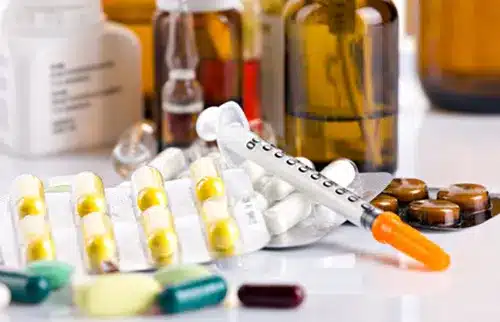
List of Top-Selling Diabetic Medicines in India
Here is the list of the most popular and frequently prescribed diabetic drugs in Indian Pharmacies.
1. Metaformin
Type: Oral Anti Diabetic (Biguanide)
Doctors prescribe Metformin as the first-line treatment for Type 2 Diabetes. It reduce the blood sugar by reducing the glucose production in the liver. The paramcies should always keep 500mg, 850mg, and 1000mg tablet in stock. Metformin is also used in combination therapies.
2. Glimepiride
Type: Sulfonylurea
Glimpiride stimulates insulin production. Doctors also recommend this medication to patients who do not respond to Metformin alone. The Indian pharmacies should stock the Glimepiride in multiple strengths and also in combos with Metformin.
3. Teneligliptin
Type: DPP-4 Inhibitor
Teneligliptin is cost-effective and efficient. It helps to reduce the blood sugar level without weight gain in patients. It can be profitable for the pharmacies to keep this medicine available in areas where the patients seek affordable diabetic treatments.
4. Siagliptin
Type: DPP-4 Inhibitor
Doctors prescribe this medication to control the blood sugar level with fewer side effects. It is ideal for elderly diabetic patients. The pharmacies can offer Sitagliptin alone or in combination with Metformin.
5. Vildagliptin
Type: DPP-4 Inhibitor
Vildagliptin helps to improve the post-meal insulin secretion. This medicine does not show any serious side effects to patients. This drug works best in the combination therapy, and it keeps both solo and combo forms in stock.
6. Dapagliflozin
Type: SGLT2 Inhibitor
Dapagliflozin reduces the blood sugar level and reduces the risk of heart failure. Doctors recommend this medicine for diabetic patients with heart problems. Store the combination of diabetic and cardiac combination of medications to treat both patients.
7. Empagliflozin
Type: SGLT2 Inhibitor
Empagliflozin helps to improve kidney health and heart function. It also helps to control blood sugar. The pharmacies can consider stocking it in metro cities and hospitals with diabetic specialists.
8. Insulin Injections
Type: Injectable hormone
Insulin is a medication for type 1 diabetes and advanced type 2 diabetes. The pharmacies should maintain these medicines in cold storage and a steady supply of insulin pens, vials, and cartridges.
Why Combination Medications Are Becoming Popular?
Patients prefer taking combination diabetes medications because it reduce the number of pills.
- Combination drugs prescribed commonly are:
- Glimepiride + Metformin
- Sitagliptin + Metformin
- Voglibose + Metformin
These drugs improve blood sugar control and patient adherence.
Pharmacy Business Tips for Diabetic Medication
If you want to build your pharmacy business concerning diabetic medicines, here is some brief advice to consider:
- Research local prescriptions: Familiarise yourself with the recommendations from your local physicians.
- Stock correctly: Provide both branded (and generic) medication for its consumers.
- Train staff: Your people need to be able to explain to patients how to use their diabetic drugs.
- Issue offers on loyalty discounts or monthly packs: Encourage regular customers to purchase their maintenance supplies.
- Form alliances with local diabetic clients: Form alliances for mutual patient referrals.
Third-Party Manufacturing & PCD Pharma Services
We offer:
- WHO-GMP-certified diabetic medicines
- Affordable PCD pharma franchise packages
- Custom packaging with timely delivery
- Monopoly distribution rights in your area
You can start your own diabetic medicine business with low investment and high returns.
Conclusion
India’s diabetes market is growing consistently, and pharmacies that stock the best-selling diabetic medications like Metformin, Glimepiride, Teneligliptin, and insulin in some form will always enjoy strong product sales. By providing trusted medications and supporting patients with care and education, you build a valuable pharmacy that prioritises profit and society.
If you are planning to start your brand or join a reputable diabetic franchise company, Scott Morrison is the partner for you for dealing in diabetes medicine.
FAQs – High-Demand Diabetic Medicines in India
Q1. What is the most prescribed diabetic medicine in India?
Metformin is the most prescribed medicine because it is cheap, safe, and effective for people with Type 2 diabetes.
Q2. Can I sell diabetic medicines without a franchise?
You can sell diabetic medicines as a pharmacy holder, but a PCD pharma franchise should provide fast growth with exclusive rights and promotional support.
Q3. Which insulin brands should I stock in the pharmacy?
Top insulin brands include Lantus, Novorapid, and Humulin. Always maintain the cold chain and have a system for expiry date checks.
Q4. How can I start my own diabetic medicine business?
You can start your business by third-party manufacturing with Scott Morrison. You can also take a PCD pharma franchise ,which is a low-risk, high-margin business.
Q5. How should pharmacies store insulin?
Unopened insulin should be kept in a refrigerator, typically between 2 and 8 degrees Celsius, and never frozen. Once in use, pens and vials can usually be kept at room temperature for a limited period, which varies by product, so always follow the manufacturer’s labelling. Check that delivery cold chains are intact when stock arrives.
Q6. Can pharmacists substitute one diabetes product for another?
It depends on local law and the type of product. Generic substitution of oral tablets is commonly allowed, while substitution of biologic products such as insulin or GLP-1 injectables may be restricted or require prescriber consent. Always check your regulator’s rules before substituting.
Q7. Why are GLP-1 medicines sometimes hard to get?
Global demand has risen sharply, partly because of their benefits for glucose control and weight, and manufacturing capacity has at times struggled to keep pace. Pharmacies can help by ordering early, using multiple suppliers where appropriate and talking openly with patients about expected wait times.
Q8. What side effects should pharmacists counsel patients about?
Common points include stomach upset with metformin, nausea with GLP-1 medicines, low blood sugar with insulin and sulfonylureas, and genital infections and dehydration with SGLT2 inhibitors. Patients should also be told when to seek urgent medical help, such as for persistent vomiting, severe abdominal pain or signs of very low or very high blood glucose.
Q9. How can pharmacies improve diabetes medication adherence?
Useful steps include medication synchronisation, reminders for refills, blister packs where suitable, clear counselling at first dispensing and regular follow-up conversations. Offering device training and checking whether cost or side effects are causing missed doses can also make a real difference.
Q10. Which products should pharmacies stock alongside diabetes medicines?
Glucose meters, test strips, lancets, pen needles, sharps containers, fast-acting glucose tablets or gels, and foot care products are natural companion items. Having these available helps patients manage their condition in one visit.