
Rising Demand for Hypertension Drugs in Small Cities
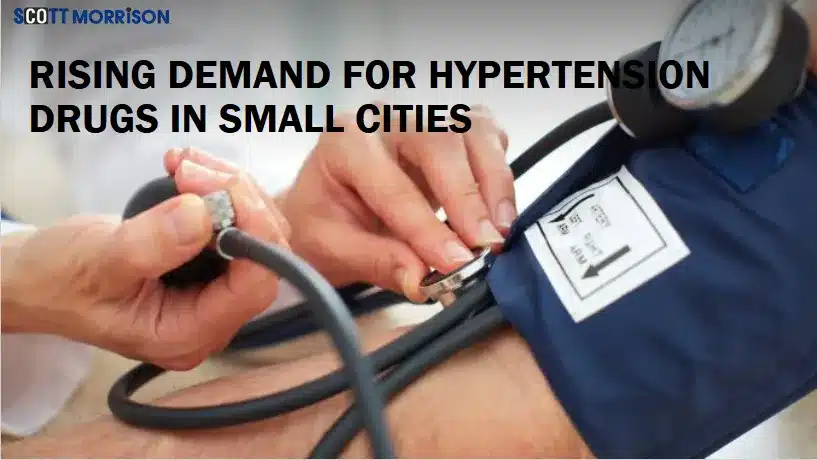
Hypertension and high blood pressure are very common in India. However, only older people living in metropolitan cities suffer from high blood pressure. But now, many more people living in Tier II and III towns and villages are being diagnosed. Thus, the demand for hypertension medicines is on the rise in small cities.
This represents a major opportunity for the pharmaceutical industry. Pharmaceutical makers and distributors of blood pressure medicines could specifically target the growth of these drugs and the needs of this emerging population.
What is Hypertension?
Hypertension occurs when blood pressure is too high for a long time. Many people refer to hypertension as a “silent killer”. Because hypertension does not have clear symptoms. People who are diagnosed with high blood pressure should go for treatment before getting sick. It can cause more serious issues like heart attack, stroke, or kidney failure.
Most individuals living with hypertension will be put on a daily medication, for most, for a lifetime. Other health issues with managing hypertension can be regular check-ups and sometimes dietary changes and physical activity. However, people cannot manage their hypertension without access to medications.
Key Drivers Behind the Rising Demand
1. Lifestyle Changes Reaching Smaller Towns
The lifestyle factors that are connected to hypertension in metro cities, such as poor diets high in salt and processed food and physical inactivity along with tobacco use and chronic stress, are no longer a new thing in big city living. Smaller towns are observing growing rates of obesity and sedentary work patterns along with dietary change toward packaged and processed foods. All of these are the rising drivers of high blood pressure. As observed hypertension and related cardiovascular problems are now showing in younger patients that involves those in the 30-45 age group which is a demographic that was rarely flagged for blood pressure in smaller towns.
2. Improved Diagnosis and Screening Access
A large part of the visible “rise” in hypertension demand in small cities is really a rise in diagnosis. As diagnostic chains and community health centers expand into tier-2 and tier-3 markets, more people are being screened for the first time, uncovering a population of hypertensive patients who were previously undiagnosed and untreated. India continues to carry a significant burden of undiagnosed and inadequately treated hypertension, and every new diagnostic center or screening camp that opens in a smaller town adds directly to the diagnosed and therefore medicated patient pool.
3. Growing Middle-Class Households and Healthcare Awareness
Smaller cities are home to a rapidly expanding middle class with rising disposable income and greater awareness of preventive healthcare. This demographic is increasingly willing to visit a doctor for a routine check-up, follow up on a prescription, and pay for ongoing medication rather than treating hypertension as something to ignore until it becomes a crisis. Growing trust in organized pharmacy brands and branded generics, rather than informal or unregulated treatment, has further accelerated legitimate demand for prescribed antihypertensive drugs.
4. Expansion of Retail Pharmacy and E-Pharmacy Networks
Retail pharmacy chains and e-pharmacy platforms have been aggressively expanding into smaller towns, making it far easier for patients to access both diagnosis-linked prescriptions and ongoing refills. Retail pharmacies remain the dominant distribution channel for antihypertensive drugs because of their accessibility and extended hours, and this channel is expected to be among the fastest-growing segments of the hypertension drug market. E-pharmacy networks are adding a second distribution layer, particularly valuable in towns where physical pharmacy density is still catching up to demand.
5. Affordable Generics and Branded Generics
Cost sensitivity in smaller cities has fueled strong demand for affordable generic and branded-generic antihypertensive drugs rather than premium originator brands, which remain more common among higher-income urban patients. Once a patient is stabilized on a particular brand of a common antihypertensive like telmisartan or amlodipine, they rarely switch, creating dependable, repeat monthly demand — a pattern that is especially attractive to pharmaceutical distributors and franchise operators targeting these markets.
6. Telemedicine and Remote Monitoring
Remote patient monitoring and telemedicine platforms are increasingly integrating with medication adherence programs, allowing patients in smaller towns to have blood pressure readings reviewed remotely and prescriptions renewed without a long trip to a distant specialist. This is particularly significant in towns where cardiologists or specialist physicians are scarce, and it is helping convert previously inconsistent treatment into steady, adherent, long-term medication use.
Why Is Demand for Hypertension Medicines Growing in Small Cities?
1. Lifestyle changes
People living in small towns are healthier than those living in big cities because of physical activity and home-cooked foods. But it has changed now. People eat more processed food, work at desk jobs, and have stressful lifestyles. These all lead to an increased chance of having high blood pressure.
2. More Awareness
People in small towns now have greater awareness of hypertension thanks to government initiatives, social media, and their local doctors. More people are having tests for it, and being diagnosed with it naturally leads to a higher demand for blood pressure medicines.
3. Growing Middle-Class Population
The rising middle class in small cities will provide better access to healthcare. This means people will see their doctor more frequently, purchase medicines, and consider their health more seriously. This has created a much larger market for chronic disease medicines like antihypertensives.
4. Long-Term Treatment
Once hypertensive, patients will need to take daily medication, creating a steady, long-term, and continued demand for medicines. Patients do not stop taking medicines after a period, like some illnesses; antihypertensives are needed indefinitely.

What Does This Mean for The Pharmaceutical Industry?
The growth in the small cities offers many new opportunities for the pharmaceutical companies, distributors, and retailers.
1. Expand Distribution Networks
The companies should focus on a strong distribution system in Tier 2 and Tier 3 cities. The pharmacies need a proper supply of common hypertension medicines like amlodipine, losartan, telmisartan, and atenolol.
2. Affordable Medicines
The people in the small town are more price sensitive. The companies that provide low-cost, good-quality generic medicines can grow the market. The price of the medicines plays a big role in winning customer loyalty and trust.
3. Train Pharmacists and Doctors
Pharmaceutical companies should invest in educating the local doctors and pharmacists. Better knowledge leads to better prescribing, and it can improve the visibility of the sales.
4. Focus on Fixed Dose Combinations (FDCs)
Fixed-dose combinations are easy for the patients to take. They improve the medicine’s compliance and simplify treatment. The companies offering FDCs for hypertension are likely to gain market share in rural and semi-urban India.
Challenges to Consider
While demand is increasing, we still see some barriers that limit the full capacity of small city markets.
1. Supply Chain Issues
Transportation and storage in rural settings can be difficult. Roads, warehousing, and logistics systems are unpredictable. This inconsistency causes stockouts or delays in the delivery of medicines.
2. Untrained Workforce
In many small towns, pharmacists and other healthcare workers do not receive proper training. Perhaps they do not know what advice to provide, or they lose track of whether their patients are adhering to the treatment plan.
3. Brand Rivalry
Hypertension drug brands exist in generous supply. Marketers have to differentiate themselves based on trust, consistency, and value to get attention from all these competitors.
Opportunities Going Forward
The Indian pharmaceutical industry has a magnificent opportunity to respond to the demand for hypertension treatment in smaller cities and towns. Here are ways that companies can capitalize on this development:
1. Focus on Regional Expansion
In India’s expanding pharmaceutical horizon, pharma companies are beginning to expand sales teams and logistics sales capabilities beyond metropolitan cities. Many of the expansion opportunities exist in smaller districts and talukas. Expansion opportunities exist in middle-order cities. Grow this population.
2. Collaborate with Local Clinics
Collaborate with doctors and clinics in rural pathways. Helping clinics with awareness campaigns, free local camps, and product samples creates trust relationships and ensures success for the long term.
3. Incorporate Digital Mechanisms
Use apps, SMS reminders, and WhatsApp-related comms for direct communication with patients. People in rural areas have smartphones now. Digital interventions can help them manage adherence to medicines.
Conclusion
The increase in demand for hypertension medications in smaller cities in India indicates that healthcare is reaching greater populations. This is also an indicator that people are becoming health-engaged and are going to work on their health issues. For the pharmaceutical industry, this is an opportunity to expand into new territories and serve the health care needs of the nation.
FAQs—Frequently Asked Questions
Q1: Why is hypertension rising in small cities?
People living in small cities have higher body weight because they are not very active and are more stressed. Additionally, they have also adopted the urban trends that can increase the high blood pressure issues.
Q2: What medicines help to treat hypertension?
The most common medicines are amlodipine, losartan, telmisartan, enalapril, and atenolol. Some physicians are also prescribing combination pills.
Q3: Are people in smaller cities aware of their condition?
People are getting more aware of their health, but many people do not understand hypertension. The routine checkups and public health campaigns can help improve awareness.
Q4: Is there growing market potential for hypertension medications in smaller cities?
Yes. It is growing very quickly. More and more people are being diagnosed, and it is often a lifelong treatment. This means there will be a steady and long-term demand for medicines.
Q6: Is hypertension becoming more common in smaller towns, or is it just being diagnosed more?
It’s largely both. Lifestyle changes such as processed food consumption and sedentary work are genuinely increasing hypertension risk in smaller towns, while at the same time, expanded screening and diagnostic access are revealing a large pool of patients who had undiagnosed high blood pressure for years. Much of the visible “rise” in demand reflects this combination of real increase and improved detection.
Q7: Which age groups are most affected by rising hypertension cases in small cities?
While hypertension has traditionally been associated with older adults, cardiovascular issues including high blood pressure are now increasingly reported among younger patients in the 30 to 45 age group, driven largely by high-stress lifestyles, poor diet, and physical inactivity that have spread beyond metro populations.
Q8: What types of hypertension drugs are most in demand in small cities?
Affordable generic and branded-generic medications dominate demand in smaller towns, particularly common antihypertensive classes such as ARBs (like telmisartan) and calcium channel blockers (like amlodipine), due to strong cost sensitivity among patients. Once stabilized on a specific brand, patients tend to stay loyal to it, creating steady repeat demand.
Q9: What role do retail pharmacies play in this trend?
Retail pharmacies are the dominant distribution channel for antihypertensive drugs in small cities because of their wide accessibility, extended operating hours, and presence in both urban and semi-urban pockets of these towns. This channel is expected to remain the fastest-growing distribution segment for hypertension medication going forward.
Q10: Is telemedicine helping improve hypertension treatment in small cities?
Yes. Telemedicine and remote patient monitoring platforms are increasingly used to review blood pressure readings and renew prescriptions without requiring patients to travel to distant specialists, which is especially valuable in towns with limited access to cardiologists. These platforms are also being integrated with medication adherence programs to help patients stay consistent with long-term treatment.