
What If a PCD Pharma Company Shuts Down? Rights of Franchise Holders
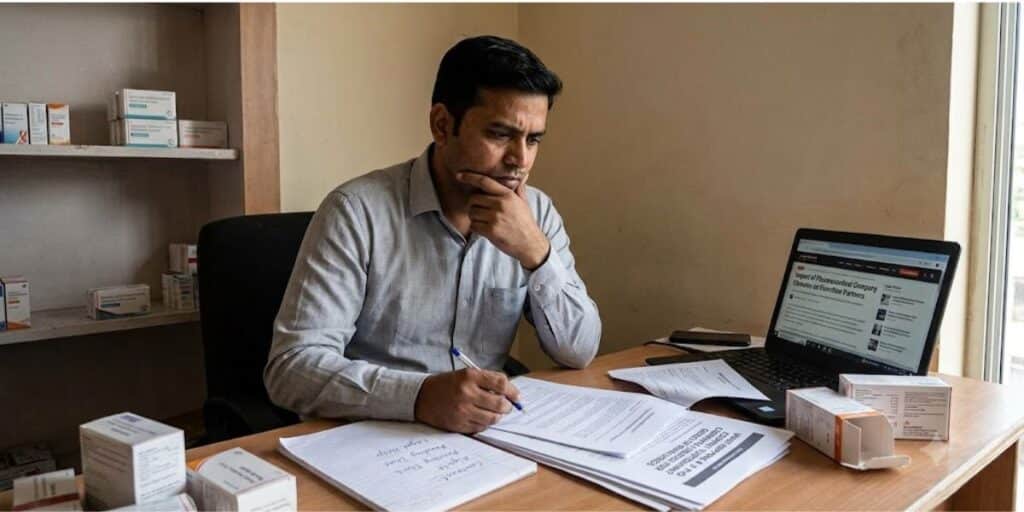
The PCD Pharma Franchise model has quickly grown across India, permitting individuals to run their own pharma marketing and distribution business under an established company’s brand name. While this model provides low investment and stable margins, it also comes with a risk: what happens if the parent company suddenly shuts down and dissolves or exits the market? Franchise holders become worried about the pending payments and unsold stock along with the future of their business.
This guide discusses the legal rights of franchise holders in such difficult situations and what steps you need to take along with steps to protect your interests going forward.
Why Do PCD Pharma Companies Shut Down?
- Not able to manage finances properly or inability to hold operational expenses
- Regulatory non compliance such as not able to renew drug manufacturing or wholesale licenses.
- Poor product quality that leads to loss of market reputation and sales.
- Disputes arising at promoter level or renovation within the parent company.
- Dissolution process initiated by creditors or financial institutions.
- Self closure as the promoters chose to exit the pharma business.
Immediate Impact on Franchise Holders
When a PCD pharma company shuts down unexpectedly, franchise holders typically face several challenges at once. These include halted product supply, inability to service doctors and retailers who were promised continuity, unpaid incentives or scheme amounts, unsold stock sitting in the warehouse with no buyback guarantee, and uncertainty about whether their monopoly rights or advance security deposits will be honoured. Because most PCD franchise agreements are relatively informal compared to larger franchise models, many franchise holders are unaware of their legal standing until a dispute actually arises.
Rights of Franchise Holders When a Company Shuts Down
Franchise holders are not without recourse when a pharma company closes down. Depending on the nature of the agreement signed and the reason for closure, the following rights typically apply:
| Franchise Holder Right | What It Means | Legal Basis / Recourse |
| Right to prior notice | Company must inform franchise holders before winding up operations, as per the termination clause in the franchise agreement. | Franchise/PCD agreement terms; Indian Contract Act, 1872 |
| Right to recover pending dues | Outstanding payments such as incentives, scheme benefits, or advance deposits must be settled. | Civil suit for recovery of dues; Negotiable Instruments Act (for cheque defaults) |
| Right to stock return or compensation | Unsold stock lying with the franchise holder should be taken back or reimbursed. | Franchise agreement clause; consumer/civil remedies |
| Right to use company documentation as evidence | Invoices, purchase orders, and agreements serve as proof of business relationship and dues. | Indian Evidence Act, 1872 |
| Right to approach consumer/civil court | Franchise holders can file recovery suits or consumer complaints depending on the nature of the dispute. | Consumer Protection Act, 2019; Code of Civil Procedure, 1908 |
| Right to invoke arbitration clause | If the agreement includes an arbitration clause, disputes can be resolved outside court. | Arbitration and Conciliation Act, 1996 |
| Right to claim under company insolvency proceedings | If the company shuts down due to insolvency, franchise holders may register as operational creditors. | Insolvency and Bankruptcy Code, 2016 |
Steps a Franchise Holder Should Take Immediately
- Review the franchise agreement carefully, particularly the termination, notice period, and dispute resolution clauses.
- Send a formal written communication (legal notice) to the company requesting settlement of dues and clarity on stock returns.
- Maintain a complete record of all invoices, purchase orders, payment receipts, and correspondence with the company.
- Check whether the company has filed for insolvency; if so, register as a creditor within the applicable timeline.
- Consult a lawyer specialising in commercial or pharma franchise disputes before initiating legal action.
- Explore arbitration first if the agreement provides for it, as it is typically faster and less expensive than litigation.
- Inform your local chemists, doctors, and stockists about the situation to protect your professional reputation in the market.
Preventive Measures for Future Franchise Agreements
While you cannot control a company’s internal decisions, franchise holders can protect themselves in future partnerships by taking a more cautious approach before signing on with a new pharma company.
- Verify the company’s WHO-GMP certification, drug license validity, and market reputation before signing any agreement.
- Insist on a detailed written franchise agreement rather than relying on verbal assurances.
- Negotiate a clear stock return or buyback clause in case of business discontinuation.
- Avoid paying excessively high security deposits upfront; negotiate staggered payments where possible.
- Include a defined notice period (ideally 60 to 90 days) for termination by either party.
- Add an arbitration clause to ensure faster dispute resolution instead of lengthy litigation.
When to Approach Consumer Court vs Civil Court?
The choice of legal forum depends on the nature of the relationship. If the franchise holder is treated as a ‘consumer’ of goods purchased for resale under a distributorship arrangement, a consumer complaint may be maintained in certain cases, particularly around defective products or deficiency in service. However, most PCD franchise disputes, especially those involving recovery of dues, security deposits, or breach of contract, are civil and commercial in nature and are best pursued through a civil recovery suit or arbitration, depending on the specific agreement terms.
In cases where the company is undergoing insolvency proceedings under the National Company Law Tribunal (NCLT), franchise holders with outstanding dues should register their claims as operational creditors within the timelines specified during the Corporate Insolvency Resolution Process (CIRP).
Conclusion
A sudden shutdown of a PCD pharma company can be financially and professionally distressing for franchise holders who have invested time, money, and market goodwill into building their business. However, Indian contract law, consumer protection law, and insolvency law together provide multiple avenues for franchise holders to recover dues, return unsold stock, and seek compensation.
The key lies in maintaining proper documentation from the start of the association, understanding the exact terms of the franchise agreement, and acting promptly the moment signs of instability appear, whether that’s delayed payments, inconsistent supply, or lack of communication from the company. Being proactive rather than reactive is the best protection a franchise holder can have in this business model.
Frequently Asked Questions
1. Can I get my security deposit back if the PCD pharma company shuts down?
Yes, in most cases the security deposit is refundable, provided there are no outstanding dues owed by you to the company. You may need to send a formal request and, if unresolved, pursue recovery through legal notice or civil suit.
2. What happens to unsold stock lying with me when the company closes?
If your agreement has a stock return or buyback clause, the company is obligated to take back unsold stock or compensate you for it. Without such a clause, you may need to negotiate directly or pursue a claim for the value of the stock.
3. Can I continue selling the existing stock even after the company shuts down?
Generally, yes, provided the products are within their expiry date and you are not violating any trademark or licensing restrictions. However, after-sales support, replacements, or returns from retailers may become your responsibility.
4. Is a verbal agreement enough to claim my rights as a franchise holder?
A verbal agreement can be enforceable under the Indian Contract Act, but proving its terms in a dispute is difficult. It is always advisable to have a written, signed franchise agreement to strengthen your legal position.
5. What if the company shuts down due to insolvency or bankruptcy?
If insolvency proceedings are initiated, you may need to file your claim with the Resolution Professional appointed by the NCLT as an operational creditor within the specified claim submission window.
6. How long do I have to file a legal claim against the company?
Generally, the Limitation Act, 1963 allows three years from the date the cause of action arises (such as the date dues became payable) to file a civil recovery suit, though this can vary based on the specific claim.
7. Can I approach consumer court for a PCD pharma franchise dispute?
It depends on the nature of the dispute. Straightforward recovery of dues or breach of contract is typically handled through civil courts or arbitration, while issues involving deficiency in service or defective goods may be eligible for consumer forums.
8. Do I need a lawyer to recover my dues from a shut-down pharma company?
While it’s possible to send notices and negotiate directly, engaging a lawyer experienced in commercial or pharma franchise disputes significantly improves your chances of a faster and more favourable resolution.